









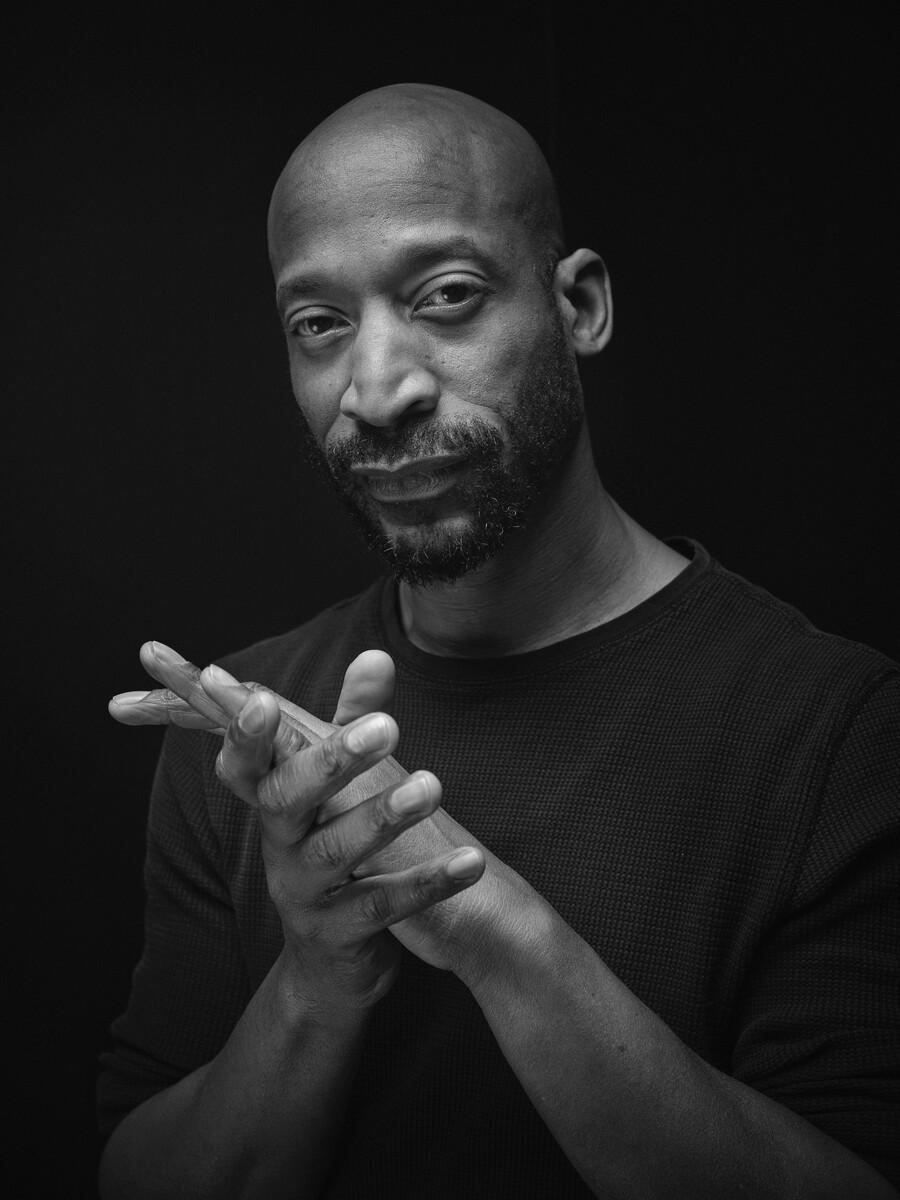










The Sociology, Anthropology, and Social Work Department hosted a Lunch Talk on Wednesday, Nov. 12, featuring Dr. Mohamad Junaid, who led students through a wide-ranging discussion about what the future may hold — and how present conditions are already shaping it.
Speaking to a room of students and faculty, Dr. Junaid outlined four major forces that will define the coming decades: the economy, science and technology, work, and government. Each, he noted, carries both possibilities and challenges.
Economy: Lessons from the Past, Warnings for the Future
Dr. Junaid began by revisiting how economic systems have transformed throughout history. Referencing Karl Marx, he noted that capitalism evolves by expanding until it reaches its limits, often resulting in periods of crisis.
He pointed to the Great Depression as an example of “too much supply and too little demand,” explaining how the crisis reshaped the U.S. economy.
Dr. Junaid also discussed the impact of economist John Maynard Keynes, who argued that governments must invest in infrastructure and employment to stabilize capitalist economies. While such interventions once saved the system, Dr. Junaid suggested that modern technology is pushing capitalism into a new phase.
Science & Technology: Automation and Acceleration
The talk then shifted to the accelerating role of technology.
“Machines and technological advancements will relieve humans of the burden of labor,” Dr. Junaid said, noting how robots and AI systems have already begun replacing certain kinds of work, especially in industrial settings.
He emphasized that technology not only alters labor but reshapes how societies function.
“The flow of information has gotten much smoother,” he noted. From newspapers to radio, television, and now the internet, each era has transformed access to knowledge.
Advances in medical science also illustrate this acceleration. Comparing the catastrophic impact of the 1918 Spanish Flu to the rapid development of COVID-19 vaccines, Dr. Junaid highlighted how technology has radically changed the way societies respond to disease.
Government: A New Era of Algorithmic Power?
Dr. Junaid concluded by examining how political systems might change in response to technological shifts. While the U.S. relies on a democratic structure with three branches of government, some nations are experimenting with new forms.
He referenced Albania, where elements of governance are increasingly influenced by algorithms — a system he described as “algocracy.”
This model, he said, uses AI-driven decision-making in hopes of reducing corruption, though its long-term implications remain uncertain.
Imagining the Future
Despite the uncertainties ahead, Dr. Junaid encouraged students to think critically about how societies might adapt.
“We cling to the notions of good life, a stable job, a secure future — even though we live within structures that make that promise impossible. We need to reimagine what it means to live a life of dignity,” he concluded.
The Lunch Talk series continues throughout the semester, offering students opportunities to engage with faculty on timely social questions shaping the world today.