
























At MCLA, we often talk about supporting students’ mental health—especially during the most stressful times of the semester. But one major part of student wellbeing is frequently overlooked: nutrition. What we eat directly affects how we feel, how much energy we have, and how well we cope with academic and personal challenges. Lately, many students have noticed that dining hall options have become more limited, and this shift is taking a clear toll on both physical and mental health.
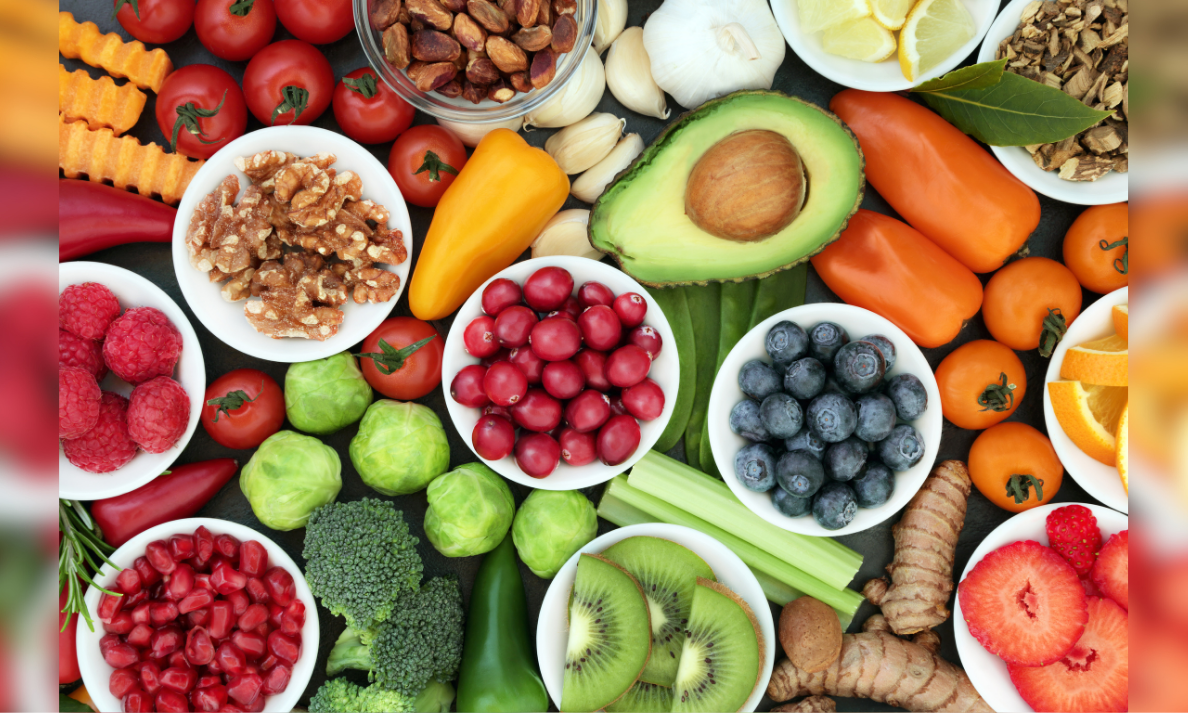
One of the biggest concerns is the lack of fruit and overall meal variety. Something as simple as having enough apples, oranges, or berries shouldn’t be rare, yet many days the fruit section is either empty or barely stocked. This might seem like a small issue, but for students who rely on the dining hall for most of their meals, it makes a real difference. Fruit provides essential vitamins and an easy energy boost—something students especially need during long winter months.
Many students also miss the weekly themed lunches, which once offered new recipes, healthier options, and a sense of excitement around campus dining. These meals created a small but meaningful sense of community and gave students something to look forward to. Unfortunately, they no longer happen consistently, likely due to understaffing. While staffing shortages are understandable, the disappearance of these meals highlights how limited food options have become.
Another major issue is the loss of consistent vegetarian meal options. For students who don’t eat meat—or who simply want lighter or healthier meals—choices now feel extremely restricted. When students are already dealing with stress, anxiety, or mental health struggles, worrying about whether they can eat properly should not be an added burden.
Winter only intensifies these challenges. Shorter days and limited sunlight already contribute to seasonal depression and low energy levels. When healthy food options decrease at the same time, students feel the impact even more. It becomes harder to stay motivated, focused, and emotionally balanced. We cannot expect students to perform well academically when their basic nutritional needs are not being met.
Food is not just fuel—it is central to mental stability and overall wellbeing. If MCLA truly wants to support student wellness, improving dining hall variety should be part of the conversation. Restoring consistent fruit options, offering vegetarian and vegan meals, and bringing back weekly themed lunches would be small changes with meaningful impact. Students deserve access to food that helps them not just get through the semester, but actually thrive.

Marilyn Jess • Dec 6, 2025 at 3:35 pm
Right on point, everything written here.
Marilyn Jess, retired Registered Dietitian